

Finding a skilled joiner can make all the difference when it comes to transforming your home or business space. Whether you’re looking for custom furniture, intricate woodwork, or bespoke cabinetry, the expertise of a professional joiner is indispensable. But how do you find the best joiner for your project? In this article, we’ll guide you through the essential steps to ensure you hire the right professional for your needs.
Understanding the Role of a Joiner
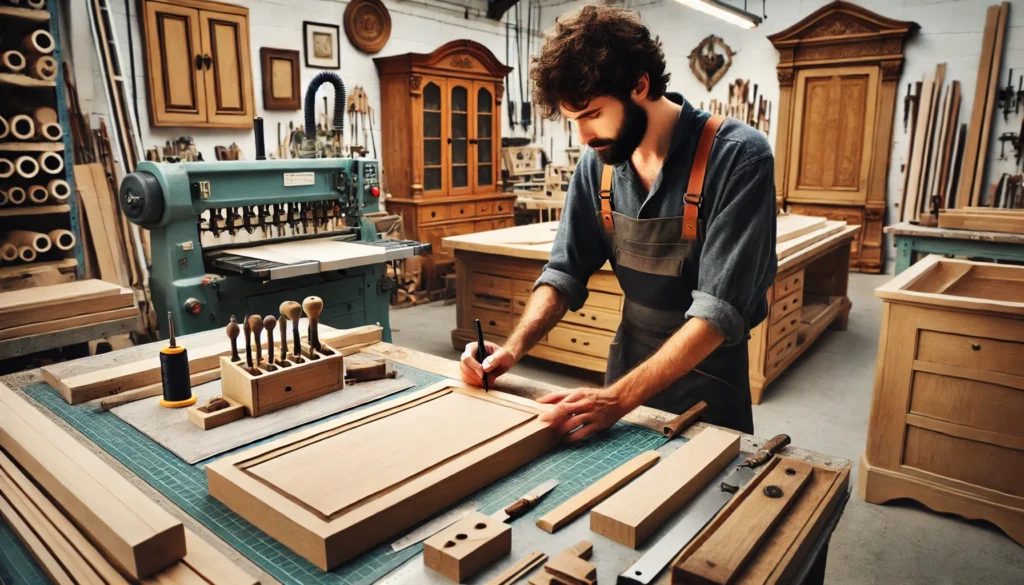
Before diving into the search, it’s crucial to understand what a joiner does. Unlike carpenters, who typically work on larger construction projects, joiners specialise in crafting wood components that require precision and detail. They create doors, windows, staircases, and custom furniture, ensuring each piece is expertly finished and fitted. Their work often involves working off-site in workshops where they can meticulously craft each item before installation.
Assess Your Project Needs
The first step in finding the best joiner is to clearly define your project requirements. Are you looking for bespoke furniture, a new staircase, or intricate woodwork for your home? Knowing the specifics will help you narrow down your search to joiners who specialise in the type of work you need. Make a list of your requirements and any design ideas you have, which will be useful when discussing your project with potential joiners.
Where to Look for a Joiner
Recommendations and Word of Mouth
One of the most reliable ways to find a skilled joiner is through recommendations from friends, family, or colleagues. Personal referrals often lead to trustworthy and high-quality professionals who have a proven track record.
Online Directories and Review Sites
Websites such as Checkatrade, Rated People, and TrustATrader list reputable joiners along with reviews from previous clients. These platforms allow you to filter your search based on location, project type, and ratings, making it easier to find a joiner who matches your criteria.
Social Media and Community Groups
Social media platforms like Facebook and LinkedIn, as well as local community groups, can be valuable resources. Many joiners showcase their work on these platforms, providing you with a portfolio to review before making contact.
Trade Associations
Consider looking for joiners who are members of professional bodies such as the Institute of Carpenters or the British Woodworking Federation. Membership in these organisations often indicates a commitment to high standards and ongoing professional development.
Evaluating Potential Joiners
Once you have a list of potential joiners, it’s time to evaluate them further. Here are some key factors to consider:
Portfolio of Work
A reputable joiner should have a portfolio of their previous work. Reviewing their portfolio will give you an idea of their craftsmanship, style, and experience with similar projects. Pay attention to the details and finishes in their work.
References and Reviews
Ask for references from previous clients and check online reviews. Speaking directly with past clients can provide valuable insights into the joiner’s reliability, work ethic, and quality of work.
Qualifications and Experience
Verify the joiner’s qualifications and experience. An experienced joiner with relevant qualifications is more likely to deliver high-quality work. Additionally, ask if they have experience with projects similar to yours.
Insurance and Guarantees
Ensure the joiner has adequate insurance coverage, including public liability insurance. This protects you from any potential damage or accidents during the project. Additionally, inquire about guarantees on their work, which can provide peace of mind regarding the longevity and quality of the finished product.
Quotations and Pricing
Request detailed quotations from several joiners to compare prices. Be wary of quotes that seem unusually low, as this could indicate a compromise on quality or hidden costs. A detailed quote should include a breakdown of materials, labour, and any additional expenses.
Communication and Professionalism
Pay attention to how the joiner communicates. A professional joiner should be responsive, courteous, and willing to answer your questions. Clear communication is essential for ensuring your project requirements are understood and met.
Making Your Decision
After evaluating your options, it’s time to make a decision. Choose a joiner who not only meets your budget and project requirements but also demonstrates professionalism and reliability. Trust your instincts—if a joiner seems too good to be true or makes you feel uneasy, it’s best to continue your search.
Final Tips for a Successful Project
Clear Contract
Once you’ve chosen a joiner, ensure all terms are clearly outlined in a written contract. This should include the scope of work, timelines, payment schedule, and any guarantees.
Regular Updates
Stay in regular contact with the joiner throughout the project to monitor progress and address any issues promptly. Regular updates help ensure the project stays on track and meets your expectations.
Flexibility and Patience
Be prepared for minor changes or delays, especially if your project is complex. Flexibility and patience can go a long way in maintaining a positive working relationship with your joiner.
Ready to Get Started?
Finding the best joiner for your project requires careful consideration and research, but the results are well worth the effort. A skilled joiner can bring your vision to life with precision and craftsmanship that enhances your space.
Don’t leave your project to chance—get in touch with experienced professionals who can deliver outstanding results. For bespoke joinery services tailored to your needs, contact BH Bespoke today and get a quote. Let’s transform your ideas into reality with expert craftsmanship and personalised service.