

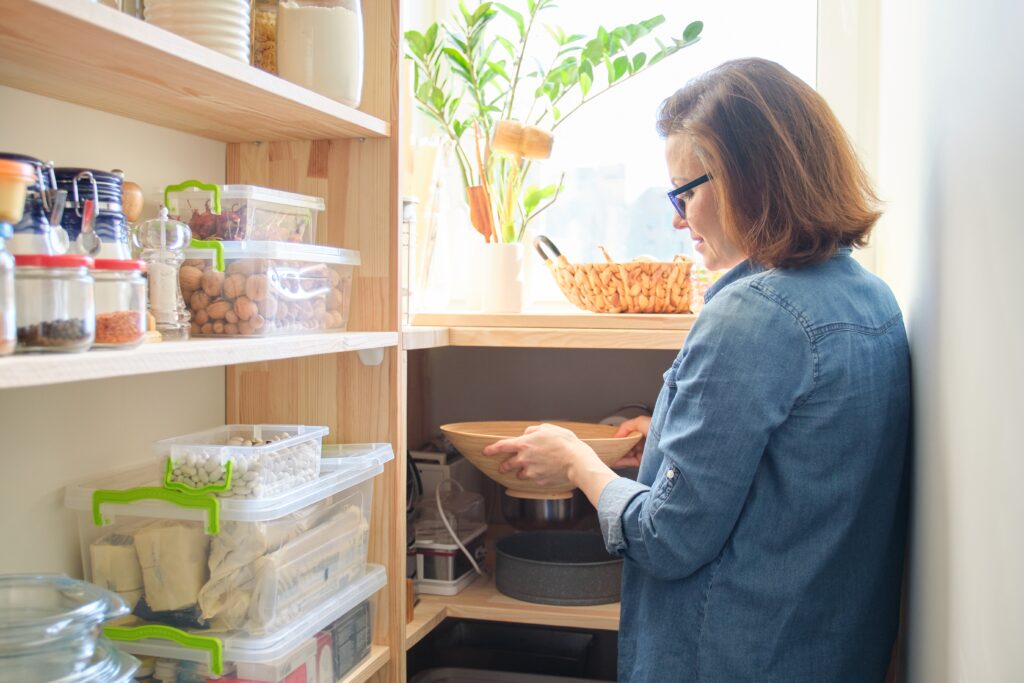
When designing or renovating a kitchen, storage is one of the most important considerations. The right amount of storage can make your kitchen efficient, organised, and a joy to cook in. But how much storage do you really need? From cabinets to pantry space, let’s dive into key factors that can help you determine the ideal storage for your kitchen.
1. Consider Your Cooking Habits
Your personal cooking style and how often you cook at home play a big role in determining how much storage you need. Think about the following:
Daily Cooks vs. Occasional Chefs
If you cook every day, you’re likely to need more storage space for essentials like spices, oils, fresh ingredients, and cooking equipment. Regular cooking also means you may have specific tools, appliances, and ingredients that need designated storage. On the other hand, if you tend to eat out or only cook occasionally, your storage needs may be lower, with a focus on essentials rather than extensive pantry or appliance storage.
Type of Cooking
Different types of cuisine often require different tools and ingredients. For example, if you bake frequently, you may need extra space for baking sheets, flour, mixers, and ingredients. If you enjoy preparing a lot of fresh produce, consider dedicated storage for items like a salad spinner or chopping boards.
2. Assess Your Appliances and Gadgets
Kitchen appliances can take up a significant amount of space, especially if you’re an enthusiast of specialty gadgets. Take a look at the appliances you already own and think about the ones you’re planning to keep or add in the future.
Bulky Appliances
Appliances like blenders, food processors, slow cookers, and air fryers can be bulky and need their own dedicated storage space. If you use these items frequently, consider cabinets or shelving that can house them conveniently within reach.
Countertop Space vs. Cabinet Storage
Some people prefer to keep frequently used appliances on the countertop for easy access, but this can take away from valuable workspace. To maximise storage, consider whether you’d prefer designated cabinet space for appliances to keep counters clear or if certain items are best left within arm’s reach.
Future Additions
If you’re planning on buying new appliances or gadgets, make sure you’re allocating enough storage space for these additions. This foresight can prevent clutter and ensure your kitchen remains organised and functional as your needs evolve.
3. Evaluate Your Pantry Needs
A well-organised pantry can be the heart of an efficient kitchen, but the size and type of pantry you need will depend on how you like to stock up on food.
Staple Essentials vs. Bulk Buyers
If you prefer to buy staple items like pasta, rice, and canned goods in bulk, you’ll need a larger pantry space with organised shelving to store these items properly. For those who shop more frequently and buy in smaller quantities, a smaller pantry with shelves or cabinets may be sufficient.
Types of Food Stored
If you store a variety of food items—such as spices, baking ingredients, and snacks—it’s essential to have a pantry with enough compartments to keep things organised. Pantry drawers, pull-out shelves, and clear containers can make it easier to access everything without overcrowding.
Adjustable Shelving
For flexibility, consider adjustable shelving in your pantry, allowing you to store items of varying sizes and make the best use of available space. Adjustable shelves are great for accommodating everything from small spice jars to taller cereal boxes or bulk jars.
4. Think About Tableware and Cutlery Storage
The amount of dishware and cutlery you own also plays a role in determining the necessary storage space. Consider your dining habits and the type of dishware you use regularly.
Daily Dishes vs. Special Occasion Sets
If you own a lot of dishware for daily use, you’ll need cabinet space for plates, bowls, glasses, and mugs that are easily accessible. If you entertain often and have special occasion dinnerware, consider extra storage, like a dedicated cabinet, where these items can be stored safely but out of the way.
Drawer Organisers for Cutlery
Well-organised drawers can make a big difference, especially for smaller items like cutlery. Drawer dividers or organisers help keep cutlery neatly arranged and maximise drawer space, making it easier to find what you need and freeing up additional cabinet space.
Glassware and Stemware
If you enjoy wine or cocktails and have a collection of glassware, consider a dedicated storage area, such as a glass-fronted cabinet or a stemware rack. This keeps your glasses safe, organised, and easy to access without taking up valuable cabinet space.
5. Determine Your Countertop Storage Needs
Countertops provide valuable prep space, but they also serve as an area for frequently used items. Think carefully about which items you’ll want within reach and which you prefer to tuck away.
Everyday Essentials
For items you use daily—like coffee makers, toasters, or spice racks—it’s helpful to designate a spot on the countertop. However, limit this to only the essentials, as too many items can quickly make your kitchen feel cluttered and cramped.
Cookbook and Recipe Storage
If you love cooking from recipes, consider storage solutions that keep your cookbooks or recipe stand accessible but out of the way. A small nook or built-in bookshelf near the prep area can make it easy to access recipes without taking up prime counter space.
6. Consider Your Waste and Recycling Needs
Efficient waste and recycling solutions are often overlooked in kitchen design but are essential for maintaining cleanliness and organisation.
Built-In Bins
Built-in waste and recycling bins help keep your kitchen tidy by tucking trash out of sight. Look for cabinets that have built-in bins with multiple compartments to separate waste and recycling easily.
Composting
If you compost, consider adding a small bin or dedicated drawer for food waste. This can make composting easy and convenient while keeping your kitchen eco-friendly.
7. Account for Special Storage Needs
Some kitchens may require additional storage for unique needs, like pet food, children’s items, or even a mini bar. Think about any special storage requirements your household may have.
Pet Food and Supplies
If you store pet food and accessories in the kitchen, allocate a specific drawer or cabinet for these items. Pull-out drawers are great for large pet food bags, keeping them accessible and organised.
Children’s Items
Families with young children may need extra storage for kid-friendly dishes, snacks, or even a homework or craft station. Keep these items within easy reach to make meal times and after-school activities more manageable.
Mini Bar or Coffee Station
If you enjoy entertaining or love a morning coffee ritual, consider a small mini bar or coffee station with dedicated storage. This can include pull-out shelves for wine or a coffee maker, along with cabinets or drawers for cups, mugs, and coffee supplies.
8. Future-Proofing Your Kitchen Storage
Lastly, keep in mind that your storage needs may change over time. If you’re designing or renovating a kitchen, it’s worth thinking about future needs to ensure your kitchen can adapt with you.
Flexible Storage Options
Look for flexible storage solutions, like adjustable shelves, pull-out drawers, and modular cabinetry. These features make it easier to reconfigure and adapt your kitchen storage as your needs evolve.
Avoid Overloading
While it’s tempting to maximise storage, keep in mind that a cluttered kitchen can quickly feel cramped. It’s better to have slightly more space than you need than to overload cabinets and drawers.
Key Takeaways: Finding the Right Storage Balance
Determining how much storage you need in your kitchen depends on factors like cooking habits, pantry needs, appliance preferences, and special storage requirements. Here are some final tips to keep in mind:
- Tailor Storage to Your Habits: Reflect on how you use your kitchen daily, including the types of meals you cook and the appliances you use, to make storage work for your lifestyle.
- Organise with Purpose: Use drawer dividers, pull-out shelves, and dedicated cabinets to keep items organised and accessible.
- Consider Flexibility: Allow for storage that can adapt as your needs change over time, and don’t feel the need to fill every corner—an organised kitchen with well-planned storage will always serve you better than an overstuffed one.
By taking the time to consider each of these factors, you’ll create a functional, beautiful kitchen with just the right amount of storage for your needs.