

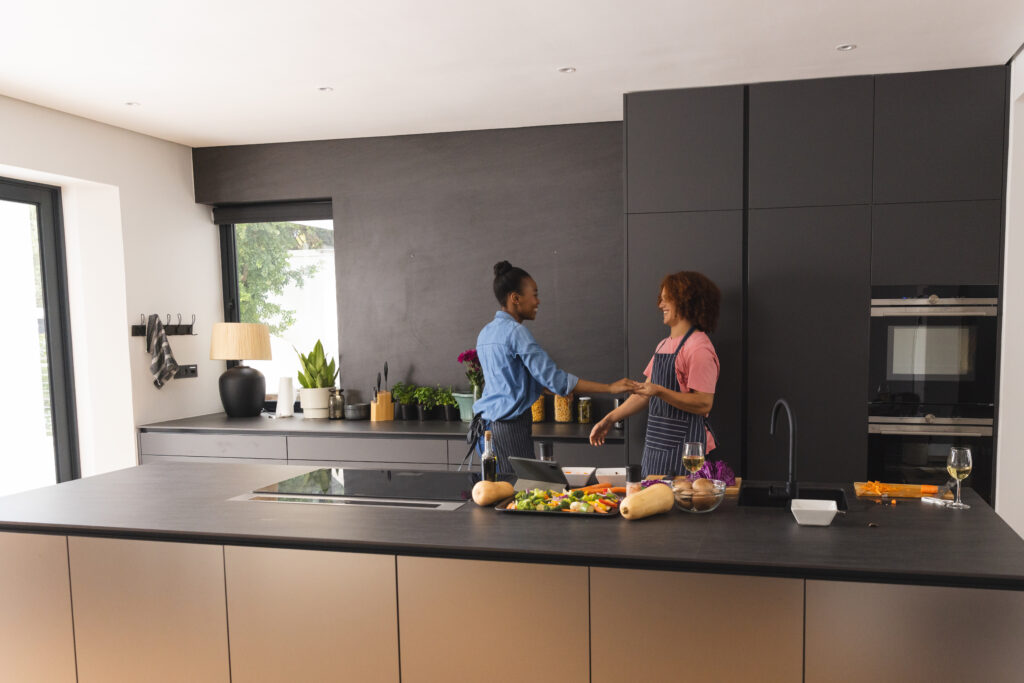
Handleless kitchens have become a popular design choice for those seeking a sleek, modern, and minimalist look. By removing visible handles from cabinet doors and drawers, handleless kitchens create a streamlined appearance that’s both contemporary and stylish. But while the aesthetic appeal is undeniable, how practical are handleless kitchens in everyday use? Here’s everything you need to know about the functionality, pros, cons, and maintenance of handleless kitchens to help you decide if they’re right for your home.
1. Understanding Handleless Kitchen Designs
Handleless kitchens achieve their look in a couple of ways, each impacting functionality and design.
True Handleless Kitchens
In a “true handleless” kitchen, cabinets and drawers feature a rail system that allows you to open doors and drawers without traditional handles. The rail, usually fitted behind the top edge of the door or drawer, creates a small gap that provides enough space to grip and open the unit. This type of handleless design is entirely seamless and creates the sleekest possible look.
J-Pull and C-Pull Designs
Alternatively, J-pull and C-pull designs incorporate a built-in groove or “J” shape on the door or drawer edge, making it easy to grip and open without the need for a rail system. These options still offer the minimalist appeal of handleless kitchens but are generally more affordable and easier to install than true handleless designs.
Both designs are functional and have their advantages, so it’s essential to choose the one that best suits your style and practical needs.
2. Advantages of Handleless Kitchens
There are plenty of reasons why handleless kitchens are trending. Here are some of the key benefits:
Sleek and Minimalist Aesthetic
Handleless kitchens offer a smooth, uninterrupted line that creates a clean, sophisticated look, particularly in modern and contemporary homes. Without visible handles, the focus is on the cabinetry itself, giving the space a minimalist vibe. If you love a streamlined, clutter-free appearance, handleless kitchens deliver just that.
More Space and Accessibility
Without handles protruding from cabinet doors, handleless kitchens create a more open, accessible space. This is particularly beneficial in smaller kitchens where handles can take up valuable space and potentially become obstacles. Handleless cabinets also minimise the risk of accidentally catching clothing on handles—something that can happen often in busier kitchens.
Easy to Clean
Without handles, you won’t have to worry about dirt or grime accumulating around hardware, making handleless kitchens easier to clean. Spills and splashes tend to accumulate on traditional handles, especially in areas like the kitchen, where oil and food residues are common. Handleless designs eliminate this problem, allowing you to simply wipe down the surface without any fiddly details.
3. Potential Drawbacks of Handleless Kitchens
While handleless kitchens look amazing, they aren’t without their challenges. Here are some considerations to bear in mind:
Fingerprints and Smudges
One of the most common complaints about handleless kitchens is that they can show fingerprints and smudges, especially on high-gloss or dark-coloured finishes. Since you’re constantly touching the front of the cabinets to open them, fingerprints can quickly accumulate, requiring more frequent cleaning. Matte finishes may reduce the appearance of smudges but might not fully solve the issue, so it’s worth considering how much maintenance you’re willing to put in.
Less Ergonomic for Heavy Drawers and Appliances
Handleless drawers and cabinets might feel less ergonomic, particularly if you have heavy drawers loaded with cookware or pantry items. Pulling open a drawer without a handle can require a bit more effort, especially for lower or larger drawers. Similarly, handleless dishwasher or fridge doors may require a firm grip, which might not be ideal for those with limited hand strength or mobility concerns.
Possible Extra Cost
True handleless kitchens often come with a slightly higher price tag than traditional kitchens. This is due to the rail system that needs to be installed to create the handleless effect. J-pull or C-pull designs are usually more budget-friendly, but for a true handleless look, you may need to budget for the additional cost of the rail and custom cabinetry.
4. Practical Tips for Handleless Kitchens
If you love the look of a handleless kitchen but want to make it as practical as possible, here are some helpful tips:
Choose Finishes Wisely
Opting for a matte or textured finish can help reduce visible fingerprints and smudges, making your cabinets easier to maintain. If you prefer a glossy finish, consider lighter colours, as they are generally less prone to showing marks than dark shades.
Consider Soft-Close Mechanisms
Adding soft-close mechanisms to your drawers and cabinets can make a handleless kitchen much more practical. Soft-close systems reduce the force needed to open and close units, making them easier to use. Plus, they prevent doors and drawers from slamming shut, adding to the overall quality feel of the kitchen.
Add Push-to-Open Systems for Hard-to-Reach Cabinets
For areas that are harder to access, like overhead cabinets, a push-to-open system can be a great addition. With a simple press, these doors pop open, making them easier to use without needing to grip. Push-to-open systems can also help reduce wear and tear, extending the life of your cabinets.
Combine Handleless with Some Handles for a Practical Mix
If you want the handleless look but need a few practical handles in specific areas, consider a mixed approach. You could install handles on heavily used drawers, like cutlery and pans, while keeping upper cabinets or less-used areas handleless. This gives you a more versatile kitchen design while still preserving the streamlined aesthetic.
5. Handleless Kitchens: Are They Right for You?
Handleless kitchens can be a beautiful and practical choice, but they’re best suited to certain lifestyles and design preferences. Here are a few considerations to help you decide if a handleless kitchen is the right fit:
Your Kitchen Use and Habits
If you have a busy household or a family kitchen where cooking is a daily activity, you may want to consider how well a handleless kitchen will stand up to heavy use. Families with young children or high-traffic kitchens may need to clean more frequently to keep up with fingerprints and smudges. In contrast, a lower-use kitchen, perhaps in a smaller home or a more minimalist space, may find handleless cabinets easier to maintain.
Your Design Preferences
Handleless kitchens are ideal for those who favour a minimalist, contemporary look. If you love clean lines, an uncluttered appearance, and want your kitchen to feel like a cohesive, seamless space, handleless cabinetry can achieve this effect beautifully. For those who prefer a more traditional or farmhouse-style kitchen, however, handleless cabinets may not be the best match.
Maintenance Preferences
While handleless cabinets are easy to wipe down, their sleek surfaces do tend to show smudges more, particularly in high-touch areas. If you’re someone who prefers minimal cleaning and maintenance, handleless kitchens may require a bit more effort to keep looking pristine.
6. The Final Verdict: Practicality Meets Aesthetics
Handleless kitchens offer a unique blend of aesthetic appeal and functionality, creating a modern, stylish look that’s ideal for contemporary spaces. Their seamless appearance can make a kitchen feel larger and less cluttered, with fewer surfaces to collect dust and grime.
For those willing to put in a little extra maintenance, handleless kitchens are a fantastic option. They’re practical, easy to clean, and especially suited to smaller spaces where every inch counts. However, if you prefer something with a bit more grip and ease for heavy-use drawers or appliances, a mix of handleless and traditional cabinetry may offer the best of both worlds.
Ultimately, a handleless kitchen is both stylish and functional—an investment that can give your kitchen a fresh, modern edge, provided you’re ready for the slight adjustments in daily use.