

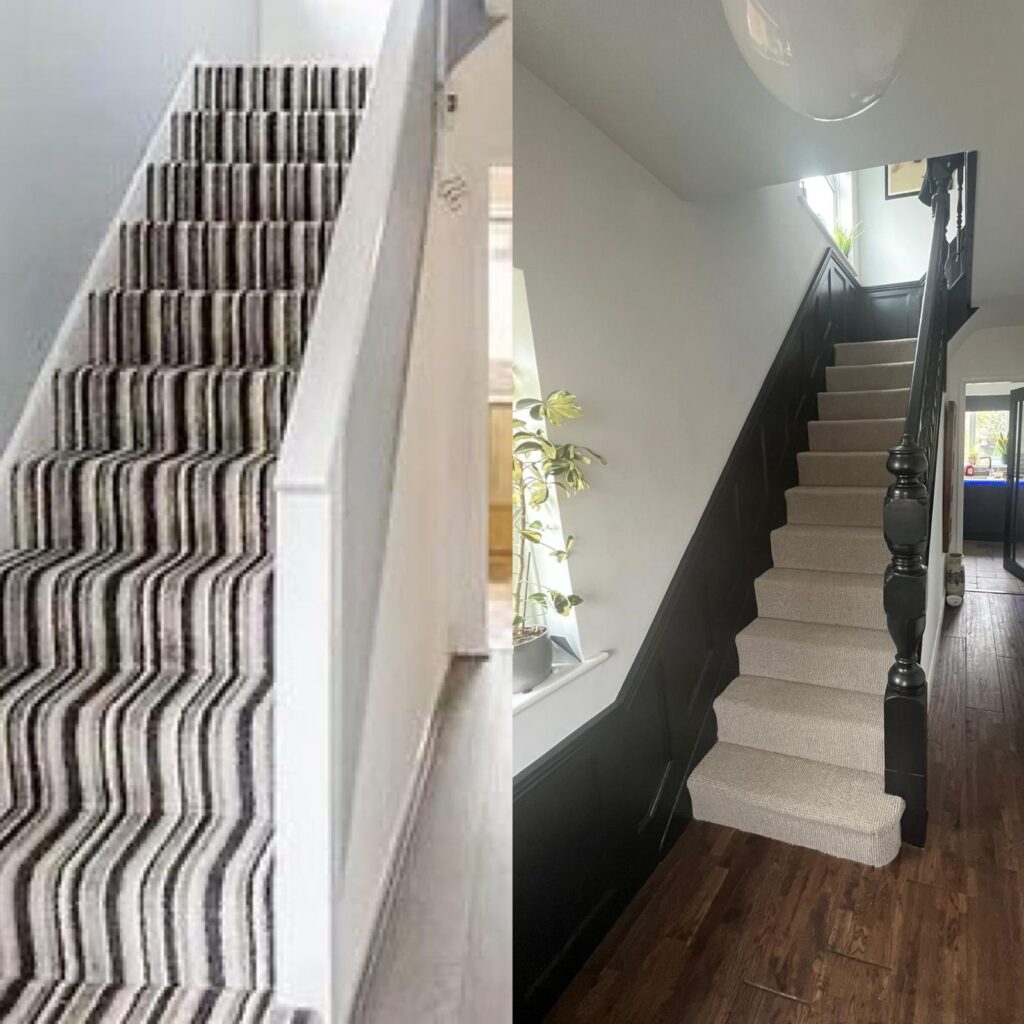
In recent years, wall panelling has surged in popularity, becoming a staple in modern interior design. This elegant and versatile feature not only enhances the aesthetic appeal of any space but also offers numerous practical benefits. Whether you’re refurbishing a residential property or designing a commercial space, wall panelling can significantly transform the look and feel of your interiors. In this article, we explore the various types of wall panelling, their benefits, and why they are considered the ultimate choice in interior design.
What is Wall Panelling?
Wall panelling involves covering walls with decorative panels made from various materials such as wood, MDF, PVC, or even metal. These panels can be installed in different patterns and designs to add texture, depth, and character to any room. Originally used to insulate and protect walls in historic buildings, wall panelling has evolved into a key design element that blends functionality with aesthetics.
Types of Wall Panelling
There are several types of wall panelling available, each offering unique styles and benefits:
- Wood Panelling
- Wood panelling is a classic choice that exudes warmth and sophistication. Available in various types, including oak, walnut, pine, and reclaimed wood, each brings distinct character to the space. Wood panels can be finished in multiple ways, from natural stains to painted finishes, allowing for a high degree of customisation.
- MDF Panelling
- Medium Density Fibreboard (MDF) panelling is a cost-effective alternative to solid wood. It is highly versatile, easy to work with, and can be painted in any colour to match your interior décor. MDF panels are perfect for creating modern, sleek designs and can be moulded into various shapes and patterns.
- PVC Panelling
- PVC panelling is a durable and moisture-resistant option, making it ideal for areas prone to humidity, such as bathrooms and kitchens. It is available in a wide range of colours and finishes, including wood grain and marble effects, providing an affordable way to achieve a high-end look.
- Metal Panelling
- Metal panelling, such as aluminium or stainless steel, offers a contemporary and industrial look. It is highly durable, easy to clean, and adds a unique texture to walls. Metal panels are often used in commercial spaces or modern homes seeking a minimalist aesthetic.
- Wainscoting
- Wainscoting involves installing panels on the lower portion of walls, typically up to chair rail height. This type of panelling adds a touch of elegance and is often used in traditional and transitional interiors. Wainscoting can be crafted from wood, MDF, or PVC, and can be left natural or painted.
Benefits of Wall Panelling
Wall panelling offers numerous advantages, making it a popular choice for homeowners and designers alike:
- Aesthetic Appeal
- One of the primary reasons people choose wall panelling is for its visual impact. It adds depth, texture, and interest to walls, transforming plain surfaces into focal points. With various styles, colours, and materials to choose from, wall panelling can complement any interior design theme, from rustic to contemporary.
- Durability and Protection
- Wall panels provide an extra layer of protection to walls, shielding them from damage caused by everyday wear and tear. This is particularly beneficial in high-traffic areas such as hallways and living rooms. Materials like wood and PVC are highly durable and can withstand impacts better than painted walls or wallpaper.
- Insulation and Soundproofing
- Wood and MDF panels offer excellent insulation properties, helping to maintain a comfortable temperature within the room and potentially reducing energy costs. Additionally, wall panelling can enhance soundproofing, making it a great option for creating quieter and more private spaces.
- Easy Maintenance
- Wall panels are generally easy to clean and maintain. Unlike painted walls that may require frequent touch-ups, most panelling materials can be wiped down with a damp cloth. PVC and metal panels, in particular, are highly resistant to stains and moisture, making them ideal for kitchens and bathrooms.
- Concealing Imperfections
- Wall panelling is an effective way to hide imperfections in walls, such as cracks, dents, or uneven surfaces. This can save time and money on extensive wall repairs, providing a quick and aesthetically pleasing solution.
Design Ideas and Applications
The versatility of wall panelling makes it suitable for a wide range of applications. Here are some creative ideas to inspire your next project:
- Feature Walls
- Create a stunning focal point by installing wall panels on a single feature wall. This can add depth and interest to living rooms, bedrooms, or dining areas. Consider using bold colours or unique patterns to make a statement.
- Ceiling Panelling
- Extend the use of panels to the ceiling for a cohesive and dramatic effect. Wood panelling on ceilings can add rustic charm, while white-painted panels create a fresh, airy feel.
- Hallways and Entryways
- Make a lasting impression with beautifully panelled hallways and entryways. Wainscoting or full-height panels can add a touch of elegance and sophistication to these often-overlooked areas.
- Bathrooms and Kitchens
- Opt for moisture-resistant materials like PVC or metal in bathrooms and kitchens. Panels with a tile or marble effect can achieve a high-end look without the associated cost and maintenance.
- Home Offices and Libraries
- Add a sense of luxury and warmth to home offices and libraries with wood panelling. Dark wood panels can create a cosy, traditional atmosphere, while lighter finishes keep the space bright and modern.
- Commercial Spaces
- Wall panelling is not just for homes; it can also elevate the look of commercial spaces. From sleek metal panels in office lobbies to decorative wood panels in restaurants, the options are endless.
How to Choose the Right Wall Panelling
Selecting the right wall panelling involves considering several factors:
- Material
- Choose a material that fits your budget, style, and the specific needs of the room. For example, wood is perfect for adding warmth, while PVC is ideal for areas exposed to moisture.
- Design and Pattern
- Consider the overall design theme of your space. Traditional spaces may benefit from classic wainscoting or beadboard, while modern interiors may look best with sleek, flat panels or geometric patterns.
- Colour and Finish
- The colour and finish of the panels should complement the existing décor. Natural wood finishes add warmth, while painted panels can provide a pop of colour or blend seamlessly with the walls.
- Installation
- Some types of panelling are easier to install than others. DIY enthusiasts might prefer MDF or PVC panels, which are typically lighter and easier to work with, while more complex installations may require professional help.
- Budget
- Determine your budget before selecting wall panelling. There are options available for all price ranges, from affordable MDF and PVC panels to more luxurious wood and metal finishes.
Wall Panelling Trends in 2024
As we move further into 2024, several trends are shaping the world of wall panelling:
- Sustainable Materials
- With an increasing focus on sustainability, many homeowners and designers are opting for eco-friendly materials such as reclaimed wood or panels made from recycled materials.
- Bold Colours and Patterns
- Gone are the days of plain, neutral walls. Bold colours and intricate patterns are making a comeback, allowing for more personalised and dynamic spaces.
- Mixing Textures
- Combining different textures, such as wood with metal or fabric panels, is a growing trend. This approach adds depth and interest, creating a more layered and sophisticated look.
- Minimalist Designs
- For those who prefer a cleaner aesthetic, minimalist designs with sleek, flat panels in muted tones are becoming increasingly popular. This style is perfect for modern and contemporary interiors.
- Smart Integration
- Integrating smart technology into wall panelling, such as built-in lighting or acoustic panels, is an emerging trend that combines functionality with style.
Conclusion: Transform Your Space with Wall Panelling
Wall panelling offers a perfect blend of style and function, making it an excellent choice for any interior design project. From enhancing aesthetic appeal to providing practical benefits like insulation and durability, wall panelling is a versatile and valuable addition to any space. Whether you prefer the classic charm of wood, the affordability of MDF, the durability of PVC, or the sleek look of metal, there is a wall panelling solution to suit your needs and preferences.
Ready to transform your interiors with stunning wall panelling? Contact us today to get a quote and discover how we can help you create the perfect design for your space. Visit BH Bespoak now to get started!