

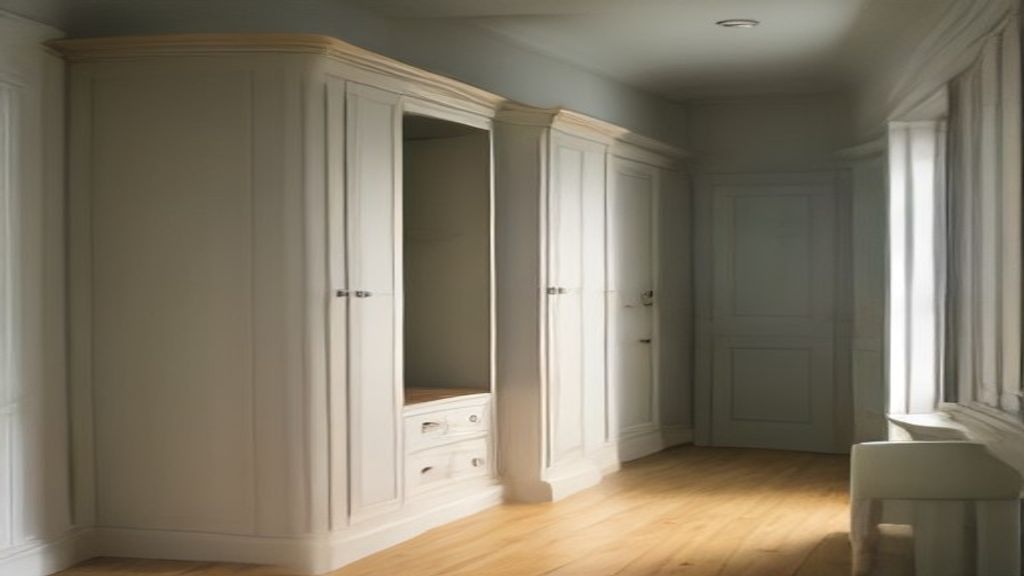
Bespoke hallway storage is getting more attention in 2026, and honestly, it is about time. The hallway is the first part of the house you walk into, but in a lot of homes it is also the place where shoes pile up, coats end up on the banister, bags block the door and the dog lead disappears just when you need it.
For years, people have spent serious money on kitchens while leaving the entrance to manage with a loose shoe rack and a few hooks. That might be fine in a show home, but real houses have school bags, work bags, sports kits, umbrellas, parcels, muddy boots and all the other bits of daily life. A well made hallway can take the pressure off the rest of the house.
In our experience, the best hallway storage is not the biggest. It is the storage that has been planned around how the house is actually used. That is where proper joinery earns its keep.
Why bespoke hallway storage is becoming a 2026 priority
More homeowners are treating the entrance as a working part of the renovation, not just a bit of floor between the front door and the kitchen. There are a few reasons for that.
- Families want clutter hidden without making the house feel bare.
- Open-plan living means the hallway often has to do more practical work.
- Boot room ideas are moving into smaller homes, not just big country houses.
- People are spending more time improving existing layouts instead of moving.
- Good storage makes a home feel calmer before you even reach the kitchen.
The trend is not really about copying a grand country boot room. Most UK homes do not have that sort of spare space. The useful bit is the thinking behind it: a clear place for wet coats, dirty shoes, bags, keys and everyday kit, built to fit the room rather than forced into it.
Where bespoke hallway storage earns its keep
A hallway is rarely a simple rectangle. You get awkward radiator positions, sloping stairs, narrow walkways, wonky walls, skirting that does not line up and doors opening into the worst possible place. Off-the-shelf furniture can help a little, but it often leaves dead gaps, blocks movement or looks like an afterthought.
Bespoke hallway storage works because it can be built around the actual space. That might mean a shallow run of cupboards where a standard unit would be too deep, a bench that stops short of a doorway, tall cupboards that step around a ceiling drop, or drawers sized properly for shoes instead of whatever happens to fit in a catalogue.
It is the kind of thing you notice every day. The front door opens cleanly. Shoes are not kicked into the walkway. Coats have somewhere to hang without taking over the wall. Bags can be dropped where they belong. The hallway starts working with the house instead of fighting it.
What to include in a properly fitted hallway
There is no one layout that suits every home, but a good hallway joinery design normally starts with the same question: what needs to live here?
For a busy family home, that could include closed cupboards for coats, open hooks for the things used every day, a bench for putting shoes on, drawers or pull-outs for footwear, a shelf for hats and gloves, and a small spot for keys and post. If there is room, a tall cupboard for cleaning kit, ironing boards or the hoover can be a brilliant use of space.
Honest truth is, the open and closed storage balance matters. All closed cupboards can look tidy, but they are not always practical when everyone is rushing out in the morning. Too much open storage can quickly look messy. A good joiner will talk through how the entrance gets used before drawing anything up.
Materials need to handle real life
Hallway joinery takes a fair bit of punishment. Wet coats rub against panels. Shoes kick plinths. Bags knock corners. Children sit, climb, drag and drop things where they should not. If the materials are flimsy, the hallway will show it quickly.
Painted timber, solid lippings, decent hinges and properly made drawer boxes all make a difference. So does the finish. A hallway does not need to be precious, but it does need to be wipeable and repairable. In our experience, this is where cheaper furniture often lets people down. It looks fine on day one, then the edges start swelling or chipping once real life gets involved.
If there is a bench seat, think carefully about the top. Oak or another hardwood can work well because it brings warmth and stands up to use. Painted tops can look smart, but they need a tougher finish if they are going to cope with shoes, school bags and daily wear.
Do not forget lighting, sockets and airflow
Good hallway joinery is not just boxes and doors. It needs to sit properly with the rest of the house. Lighting is a big one. Tall cupboards can make a narrow entrance feel darker if they are not planned well, so it is worth thinking about wall lights, ceiling spots or small internal lights before anything is built.
Sockets are another detail people forget. A drawer with a charging point can be useful for phones, torches or tablets. A cupboard with power can work for cordless vacuums. These things need planning early, not after the joinery has been fitted.
Airflow matters too, especially if coats and shoes are going into closed cupboards. Wet kit shut inside an airtight cabinet is asking for smells and mould. Small ventilation details, gaps, grilles or sensible open sections can make the storage much nicer to live with.
Why made-to-measure beats a loose shoe rack
A loose shoe rack might be cheap, but it rarely solves the whole problem. It does not hide coats. It does not deal with school bags. It does not make use of height. It does not fit around awkward walls. Most of the time, it just gathers the clutter in one slightly neater pile.
Made-to-measure hallway joinery can use the full height of the room, follow the line of the walls and make narrow spaces useful without making them feel blocked. It can also match the style of the rest of the home, which matters more than people think. The entrance sets the tone. If the joinery looks like it belongs, the whole house feels better thought through.
Worth getting right the first time. Hallway storage is not glamorous in the obvious sense, but it is one of those practical improvements that makes daily life easier. When it is done well, you stop noticing the mess because the mess finally has somewhere to go.
Planning bespoke hallway storage for your home
If you are planning bespoke hallway storage, start by being honest about the problem. Count the coats, shoes and bags. Think about what gets used every day and what only needs seasonal storage. Check door swings, radiator positions and how much walkway you need to keep clear.
Then speak to someone who can look at the space properly. A good joiner will not just ask what colour you like. They will look at the walls, the floor, the access, the depth available and how the storage needs to be fixed. That is the difference between furniture that fills a gap and joinery that feels built into the house.
Thinking about a new hallway, kitchen or bespoke joinery project? Give us a call on 07904 794280 or message us on Facebook. We are always happy to talk through what is possible and what will actually work in your home.