

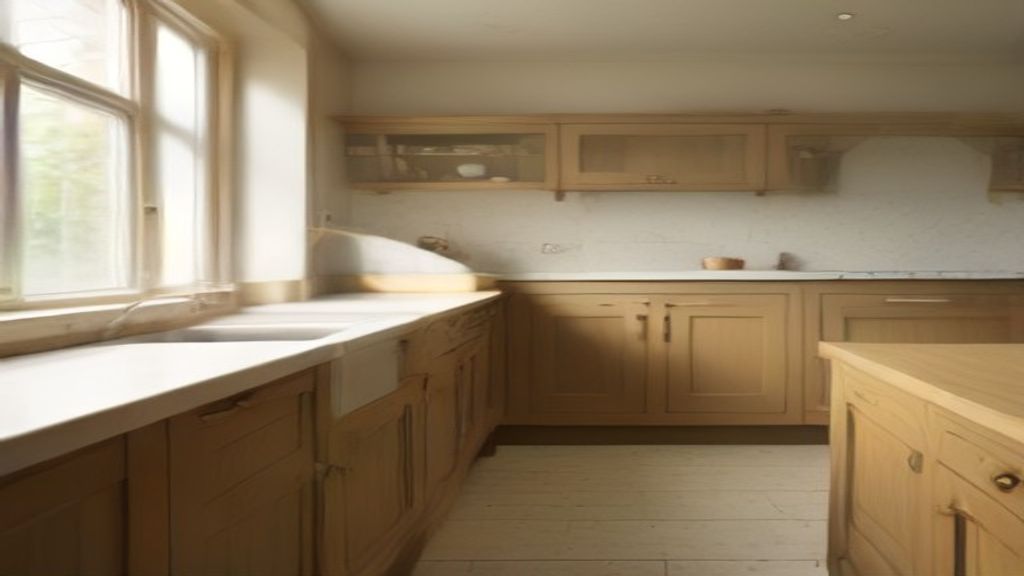
Curved kitchen joinery is one of those details homeowners often fall for after seeing it in a finished room. Fair enough, too. A softened corner on an island, a rounded end cupboard or a curved pantry section can make a kitchen feel calmer, easier to move around and much more considered. But honest truth is, curves are not just a pretty shape drawn on a plan. They affect the cabinet making, the worktop template, the door choice, the hinges, the end panels and the way the whole kitchen is fitted.
In 2026, we are seeing more interest in kitchens that feel less boxy. People still want proper storage and hard-working layouts, but they do not always want a room full of sharp corners and straight lines. Curved kitchen joinery can be a brilliant answer, especially in busy family spaces, older houses and open-plan rooms where the kitchen is always on show. The trick is knowing where a curve helps and where it simply adds cost without doing much useful work.
Why curved kitchen joinery is showing up more in 2026
A lot of recent kitchen trends have been about making the room feel softer. Fluted doors, warm timber, quieter hardware, honed worktops and painted finishes all sit in that same camp. Curved kitchen joinery does something similar, but in a more practical way. It changes how you move through the space.
That matters because kitchens have become proper living rooms in many homes. They are not just places to cook. They are where people dump school bags, make coffee, chat with friends, work at the island and try to get dinner done while someone else is opening the fridge. In that kind of room, a hard square corner in the wrong place can feel awkward every single day.
A rounded end can take the sting out of a tight route between an island and a dining table. A curved breakfast bar can make seating feel more sociable. A rounded pantry or dresser can help a tall piece of joinery sit more comfortably in the room, especially if it is near a doorway. It is a small detail on paper, but in real life it can change how the kitchen feels to use.
Where curved kitchen joinery earns its keep
The best use of a curve is usually where it solves a real problem. In our experience, curves are worth looking at in a few key places.
- Island ends, especially where people walk past the corner all day
- Peninsula units that project into a narrow room or family space
- Tall cupboards near doorways, where a square block can feel heavy
- Breakfast bars or seating areas, where a softer shape feels more natural
- Open shelves or display ends, where the joinery needs to look finished from more than one angle
It is also worth thinking about curves in period homes. Older walls are rarely perfect, and square modern cabinetry can sometimes look a bit harsh against wonky plaster, deep skirting or an uneven chimney breast. A carefully made curved section can help the kitchen feel more settled in the building.
That said, a curve should not be thrown in just because it is fashionable. If the room already has generous space, clean routes and strong proportions, a simple square cabinet might be the better answer. Good joinery is not about adding difficulty for the sake of it. It is about making the right decision for the room.
Why curved cabinetry is harder to make and fit
This is the bit that is easy to underestimate. A standard square cabinet is relatively straightforward. The panels meet cleanly, the doors are regular sizes and the worktop has simple edges. With curved kitchen joinery, the tolerances get tighter and the order of decisions matters more.
A curved end might need a specially made door or panel. If it has vertical grooves, painted beading or a timber finish, that detail has to follow the radius properly. If the curve meets a worktop, the worktop fabricator needs a clear template and enough support underneath. If the curve sits at the end of an island, the plinth, floor finish and end grain all need thinking through before anyone starts cutting.
We have seen this go wrong plenty of times when a curve is treated like an afterthought. The worktop overhang looks odd. The plinth line stops in a strange place. The curved door does not match the rest of the kitchen. Or the customer loses more usable storage than they expected. None of that is inevitable, but it does happen when the detail is not planned properly.
The details to settle before anything is made
If you are considering curved kitchen joinery, start with the practical questions before the pretty ones. Where is the curve going? What problem is it solving? How will the cupboard open? What is being stored inside it? Will the worktop follow the same radius? Will the curve be painted, veneered, fluted, plain or framed?
The radius itself matters. Too tight, and the curve can look forced or be difficult to manufacture neatly. Too wide, and you may lose storage for very little visual gain. The right answer depends on the room, the cabinet depth, the door style and the surrounding units.
Worktops need early attention too. Stone, quartz, timber and compact surfaces all behave differently around curves. Some materials suit a shaped end beautifully, but they still need proper templating and enough time in the schedule. Leaving the worktop conversation too late is asking for trouble.
Hardware is another detail people forget. A curved cupboard may need a different hinge approach, a specialist pull, a push catch or a fixed panel instead of a working door. That affects both the look and the usefulness of the cabinet. Worth getting right the first time.
What curved kitchen joinery can do for a small room
Curves are not only for big kitchens. In fact, smaller rooms can benefit most when the detail is used carefully. A rounded end on a run of cabinets can stop a narrow kitchen feeling like a corridor. A softened corner on a small island can make the walking route feel more forgiving. Even a curved shelf end can make a tight spot feel less abrupt.
The key is restraint. Too many curves in a small room can start to look fussy, and fussy joinery is not usually helpful. One good curve, in the right place, often does more than three decorative ones.
When a square corner is still the better answer
There are plenty of times when we would advise against a curve. If budget is tight and storage is the priority, square cabinets often give better value. If the chosen door style is very traditional and relies on strong frame lines, a curved section might fight against it. If the kitchen has lots of appliances, drawers and internal fittings, the curve may create more compromise than benefit.
A good joiner will tell you that before making it. The point is not to sell the most complicated detail. The point is to build a kitchen that works, lasts and feels right in the house.
Planning curved kitchen joinery properly
Curved kitchen joinery can be a lovely detail, but it needs proper thought. Done well, it softens the room, improves the flow and gives the kitchen a made-for-the-house feel. Done badly, it looks expensive for the wrong reasons.
If you are planning a new kitchen, bring the idea up early. A curve affects layout, costing, cabinet construction, worktop templating and fitting time. The sooner it is part of the plan, the better the finished result will be.
Thinking about a new kitchen or a bespoke joinery project? Give us a call on 07904 794280 or message us on Facebook. We are always happy to talk through what will work in your home, and what is probably not worth spending money on.