

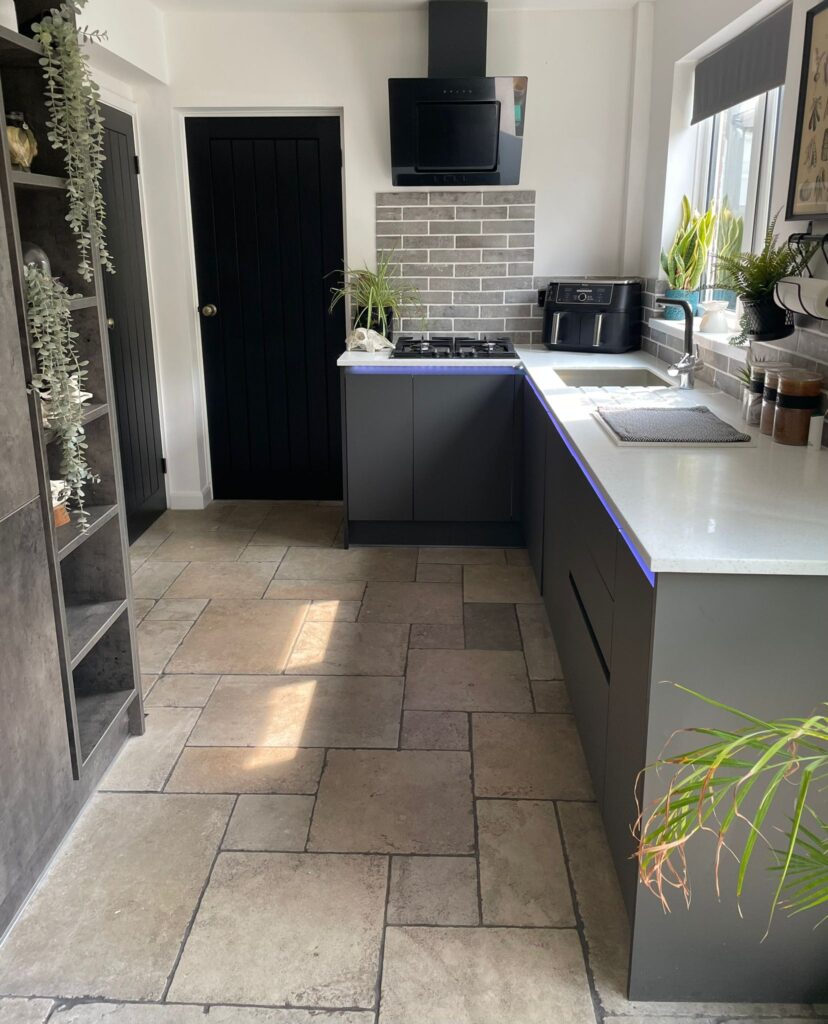
Sustainability has become more than just a buzzword; it’s a lifestyle shift. As homeowners become more environmentally conscious, many are opting for eco-friendly home renovations that reduce their carbon footprint and create healthier living spaces. And where better to start than in the kitchen—the heart of the home?
Whether you’re planning a full kitchen overhaul or simply upgrading a few features, there are plenty of ways to incorporate sustainable choices into your kitchen renovation. From energy-efficient appliances to eco-friendly materials, we’ve put together this comprehensive guide on how to create a sustainable kitchen without sacrificing style or functionality.
1. Opt for Energy-Efficient Appliances
One of the easiest and most impactful ways to make your kitchen more eco-friendly is by choosing energy-efficient appliances. Older models of fridges, dishwashers, and ovens tend to consume a lot of energy, but newer, energy-efficient models are designed to reduce power usage without compromising performance.
Look for the Energy Label
In the UK, all appliances are rated with an energy label ranging from A+++ (most efficient) to D (least efficient). When choosing new appliances, always go for the highest rating you can afford, as these appliances use less electricity and water, reducing both your bills and your environmental impact. For example:
- Energy-efficient refrigerators: These use less electricity, keep your food fresh for longer, and are often better insulated.
- Dishwashers: A high-efficiency dishwasher will use less water and electricity per load compared to washing dishes by hand or using an older model.
- Induction hobs: These are more energy-efficient than gas or traditional electric stoves, as they heat pots directly without wasting energy.
Top Tip: Smart Appliances
If you really want to embrace the future, consider installing smart kitchen appliances. These allow you to control energy use, schedule operation times, and even monitor your energy consumption through apps, giving you more control over how much power you’re using.
2. Choose Sustainable Materials
Choosing eco-friendly materials for your kitchen renovation is another important step in reducing your carbon footprint. Whether it’s the cabinets, countertops, or flooring, there are plenty of sustainable options available today.
Recycled or Sustainable Worktops
- Recycled glass countertops: Made from post-consumer glass, these countertops are not only eco-friendly but also come in a variety of colours and designs that can add a unique aesthetic to your kitchen.
- Bamboo countertops: Bamboo is a rapidly renewable resource, meaning it grows back quickly after being harvested, making it an excellent choice for an eco-friendly kitchen.
- Reclaimed wood: If you’re going for a rustic or vintage look, reclaimed wood for worktops or shelves adds character to your kitchen while reducing demand for new lumber.
Eco-Friendly Cabinets
- FSC-certified wood: When choosing wooden cabinets, look for those certified by the Forest Stewardship Council (FSC). This guarantees the wood has been sourced sustainably.
- Recycled or repurposed materials: Consider using cabinets made from recycled wood or eco-friendly alternatives like reclaimed wood or even bamboo.
Top Tip: Avoid VOCs
Many traditional paints, finishes, and adhesives used in cabinetry and kitchen design contain volatile organic compounds (VOCs), which can release harmful chemicals into the air. Opt for low-VOC or VOC-free products to create a healthier kitchen environment.
3. Water Conservation
Water is one of our most precious resources, and conserving it should be a priority when planning your eco-friendly kitchen renovation.
Install Water-Efficient Fixtures
- Low-flow taps: These taps use less water without affecting water pressure, making them an easy and cost-effective way to reduce water consumption.
- Boiling water taps: While it may seem counterintuitive, boiling water taps can actually help save water by providing instant hot water, eliminating the need to run the tap while waiting for the water to heat up.
Efficient Dishwashers
As mentioned earlier, modern dishwashers are more efficient than handwashing dishes, particularly if you wait until the dishwasher is full before running a load. Look for dishwashers with an eco-mode or water-saving setting to reduce water usage even further.
4. Eco-Friendly Flooring
Flooring is an important part of any kitchen renovation, and luckily there are plenty of sustainable options available.
Cork Flooring
Cork is a natural, renewable material harvested from the bark of the cork oak tree. It’s a sustainable option that’s also durable, water-resistant, and has natural insulating properties, making it perfect for a busy kitchen.
Bamboo Flooring
Bamboo is another excellent eco-friendly option. It’s a fast-growing grass that regenerates quickly after harvesting, making it a highly renewable material. Bamboo flooring is also stylish, durable, and available in a variety of finishes.
Reclaimed or Recycled Tiles
Using reclaimed wood or recycled tiles for your kitchen floor adds a unique and sustainable touch to your renovation. You can even find tiles made from recycled materials like glass or porcelain, which help divert waste from landfills.
5. Maximise Natural Light
An often overlooked aspect of sustainable kitchen design is maximising the amount of natural light in your space. By making the most of daylight, you can reduce the need for artificial lighting and lower your energy consumption.
Install Larger Windows or Skylights
If your kitchen has limited natural light, consider installing larger windows, a skylight, or a glass door. These additions not only reduce your dependence on artificial lighting but also create a bright, inviting atmosphere that makes your kitchen a more enjoyable space to spend time in.
LED Lighting
For times when natural light isn’t enough (because let’s face it, we’re in the UK and sunshine isn’t always guaranteed!), opt for LED lighting. LED bulbs are up to 80% more efficient than traditional incandescent bulbs and last much longer, meaning you’ll save both energy and money over time.
6. Waste Reduction and Recycling
Reducing waste during your kitchen renovation is a key part of making it more eco-friendly. Renovations can generate a surprising amount of waste, but with careful planning, you can minimise the environmental impact.
Recycle and Reuse
Before ripping out your old kitchen, consider what can be salvaged or recycled. For example, old cabinets or appliances in good condition can be donated to charity or sold. Materials like metal, glass, and wood can often be recycled, rather than ending up in landfill.
Composting
Incorporate a built-in compost bin into your kitchen design to make it easier to recycle organic waste. This simple addition can help reduce the amount of food waste that goes to landfill, and you can use the compost for your garden!
7. Sustainable Design for Longevity
Finally, one of the most sustainable things you can do is design a kitchen that will last. Instead of opting for trendy designs that will need replacing in a few years, focus on creating a timeless, high-quality kitchen that won’t need a facelift anytime soon.
Durable Materials
Invest in high-quality, durable materials for your kitchen renovation. Not only will they stand the test of time, but they also reduce the need for future replacements, saving resources in the long run.
Classic Design
While it’s tempting to follow the latest kitchen trends, choosing a classic design that suits your home’s overall style is often the more sustainable option. A well-designed, timeless kitchen will serve you well for years to come.
Final Thoughts
Creating a sustainable kitchen doesn’t mean compromising on style or functionality. With the right choices, you can reduce your environmental impact, lower your energy bills, and create a healthier home for you and your family. Whether you’re focusing on energy-efficient appliances, eco-friendly materials, or water conservation, every small step counts towards a more sustainable future.
If you’re planning a kitchen renovation and want to explore eco-friendly options, BH Bespoak is here to help. Our team specialises in creating bespoke kitchens that are both stylish and sustainable. Let’s work together to design a kitchen that’s good for you and the planet!