

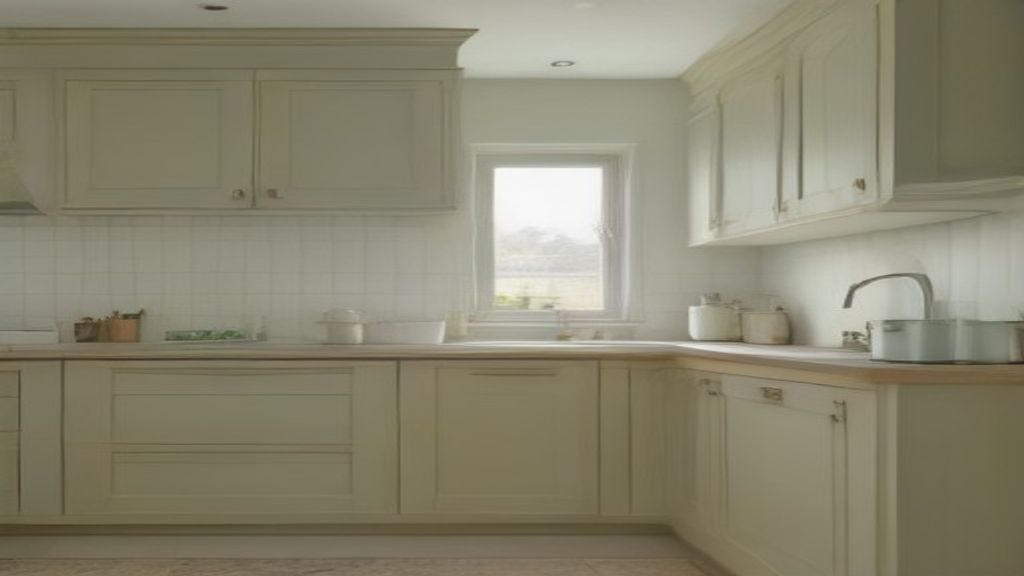
In August 2026, practical bespoke kitchens are what more homeowners are asking for. Not show kitchens that look tidy for five minutes, but properly fitted rooms with appliance garages, pantries, boot room style storage and materials that can take daily use without looking tired by Christmas.
That is a good shift, in our opinion. A kitchen should look right, of course, but it also has to earn its keep. It has to deal with school bags, muddy shoes, coffee machines, air fryers, cereal boxes, recycling, big pans, cleaning bits and the odd family member who insists on leaving everything on the worktop.
This is where proper joinery makes the difference. Flat-pack kitchens can be fine in the right place, but they are built around standard sizes. Real homes are not standard. Walls run out, ceilings drop, pipework appears where nobody wants it, and families all use their kitchens differently. Bespoke work lets the room be planned around the house and the people living in it.
Why practical bespoke kitchens are leading the way in 2026
For a while, kitchen trends were all about big open shelves, hidden handles and rooms that looked almost too neat to cook in. Some of that still has its place, but we are seeing more people come back to the basics: storage, access, hard-wearing finishes and a layout that makes sense.
Costs have a lot to do with it. If you are investing in a new kitchen now, you want it to last. That means fewer gimmicks and more thought at the planning stage. Where does the toaster live? Can the mixer be used without dragging it across the room? Is there a proper home for dog leads, school lunch boxes and shopping bags? Can the worktop cope with real cooking?
These details may not sound exciting, but they are the things you notice every day. A good kitchen is not just the one that photographs well. It is the one that makes Monday morning a bit less annoying.
Appliance garages are worth planning properly
Appliance garages are not new, but they are becoming much more useful because most homes now have more small appliances than they used to. Coffee machine, toaster, blender, air fryer, microwave, stand mixer, bread maker, charging dock. Leave all of that out and even a good kitchen starts to feel cluttered.
The trick is not just hiding everything behind a door. The trick is making the cupboard usable. That means sockets in the right place, enough depth for the appliance, good ventilation where needed, doors that do not get in the way, and shelves set at sensible heights.
Pocket doors can work very well, but they need proper planning. They take space, they need good hardware, and the surrounding cabinet has to be built accurately. We have seen people try to squeeze them into unsuitable flat-pack units and it rarely ends well. If the door rubs, drops or feels flimsy, you will stop using it properly.
Done well, an appliance garage keeps the worktop clearer without making everyday jobs awkward. That is the balance you want.
Pantries are back, but they need to fit the room
A pantry does not have to mean a separate walk-in room. In plenty of UK homes, that simply is not realistic. A tall pantry cupboard can be just as useful if it is designed properly.
We like pantries with a mix of shallow shelves, deeper lower storage and internal drawers. Shallow shelves are excellent because things do not disappear at the back. Deep shelves may look generous, but they often become a graveyard for half-used packets and jars you forgot you had.
A good pantry can hold dry food, breakfast bits, baking supplies, oils, spices and small appliances. It can also be built around the way you shop. Some families bulk buy, some keep very little in, some need space for packed lunch supplies, and some want everything visible at once.
This is one of the biggest advantages of bespoke joinery. You are not stuck choosing between fixed cabinet widths and awkward filler panels. The pantry can be built to the height, depth and width that actually suits the room.
Storage details that make practical bespoke kitchens work every day
Practical bespoke kitchens are usually won or lost in the smaller storage decisions. Big cupboards are useful, but only if you can get to what is inside them.
Deep pan drawers are still one of the best choices for lower storage. They are easier to use than standard base cupboards because you can see the contents from above. Proper drawer runners matter here. A drawer full of pans, plates or tins is heavy, and cheap runners soon start to feel tired.
Corner storage needs a bit of honesty too. Some clever corner mechanisms are useful, but not every corner needs an expensive pull-out. Sometimes a simple, well-made cupboard with the right access is the better answer. A good joiner will tell you when a fancy fitting is worth it and when it is just eating the budget.
We are also seeing more people ask for hidden charging drawers, recycling pull-outs, tray dividers, chopping board slots and tall narrow storage for cleaning products. None of these are headline features, but they make the kitchen easier to live with.
Boot room style storage belongs near the kitchen
Not every house has space for a proper boot room, but the idea behind it is useful. A lot of daily mess enters the home near the kitchen: coats, shoes, bags, keys, dog leads and sports kit. If there is nowhere for it to go, it ends up on chairs, worktops and floors.
Boot room style storage can be built into a utility, hallway, side return or kitchen entrance. Think bench seating with drawers below, tall cupboards for coats, shoe storage, hooks, baskets and a hard-wearing surface that does not mind a wet school bag.
The important thing is to make it part of the overall plan. If the kitchen and nearby storage are designed together, the house feels calmer and works better. If it is added later as an afterthought, it often looks like exactly that.
Durable materials beat delicate finishes
There is no point choosing a kitchen finish that makes you nervous every time someone puts a mug down. In 2026, more homeowners are asking sensible questions about durability, repairability and maintenance, which is exactly what they should be doing.
Painted timber, quality veneers, good laminates, compact surfaces, stone, quartz and solid timber all have their place. The right choice depends on how you use the room. A busy family kitchen needs different decisions from a small kitchen used by one careful cook.
Worktops deserve particular attention. They take the worst of daily life: heat, water, crumbs, knives, spills and cleaning sprays. Some materials mark more easily than people expect. Others are more forgiving. Honest advice at this stage saves disappointment later.
The same goes for cabinet interiors. Good carcasses, proper edging, strong hinges and decent drawer boxes are not glamorous, but they are what keep a kitchen feeling solid years down the line.
Avoiding flat-pack compromises
Flat-pack kitchens often force compromises before the fitter even starts. Standard cabinet widths, standard depths, fixed colours, limited internal options and filler strips where the units do not quite meet the room. Sometimes that is acceptable. Sometimes it is false economy.
The honest truth is, fitting a kitchen well is not just about lining up boxes. It is about dealing with the room in front of you. Old houses move. Floors dip. Walls are rarely square. Services need hiding or rerouting. A bespoke approach gives more control over those details.
It also means awkward spaces can become useful. A narrow gap can become tray storage. A sloping ceiling can take a made-to-measure cupboard. A dead corner can be planned properly rather than filled with a blank panel. That is where the value is.
Plan the practical bits before choosing the pretty bits
Colours, handles and worktops matter, but they should not come first. Start with how the kitchen needs to work. Walk through breakfast, cooking, washing up, unpacking shopping, making tea, feeding pets and getting everyone out of the door. That tells you far more than a mood board ever will.
Once the practical layout is right, the look becomes much easier to settle. You can choose finishes knowing the bones of the kitchen are sound. That is the point where good design and good workmanship meet.
Thinking about a new kitchen or fitted storage project? Give us a call on 07904 794280 or message us on Facebook. We are always happy to talk through what will work in your home and what is worth getting right from the start.